Words: Andrew Sluys
Of all the Chinese brands that have entered the New Zealand market in the last few years, few seem to have gained as much momentum as BYD. Surging fuel prices have certainly been a catalyst of growth in recent times, with the brand registering a 539.6 per cent sales increase through March.
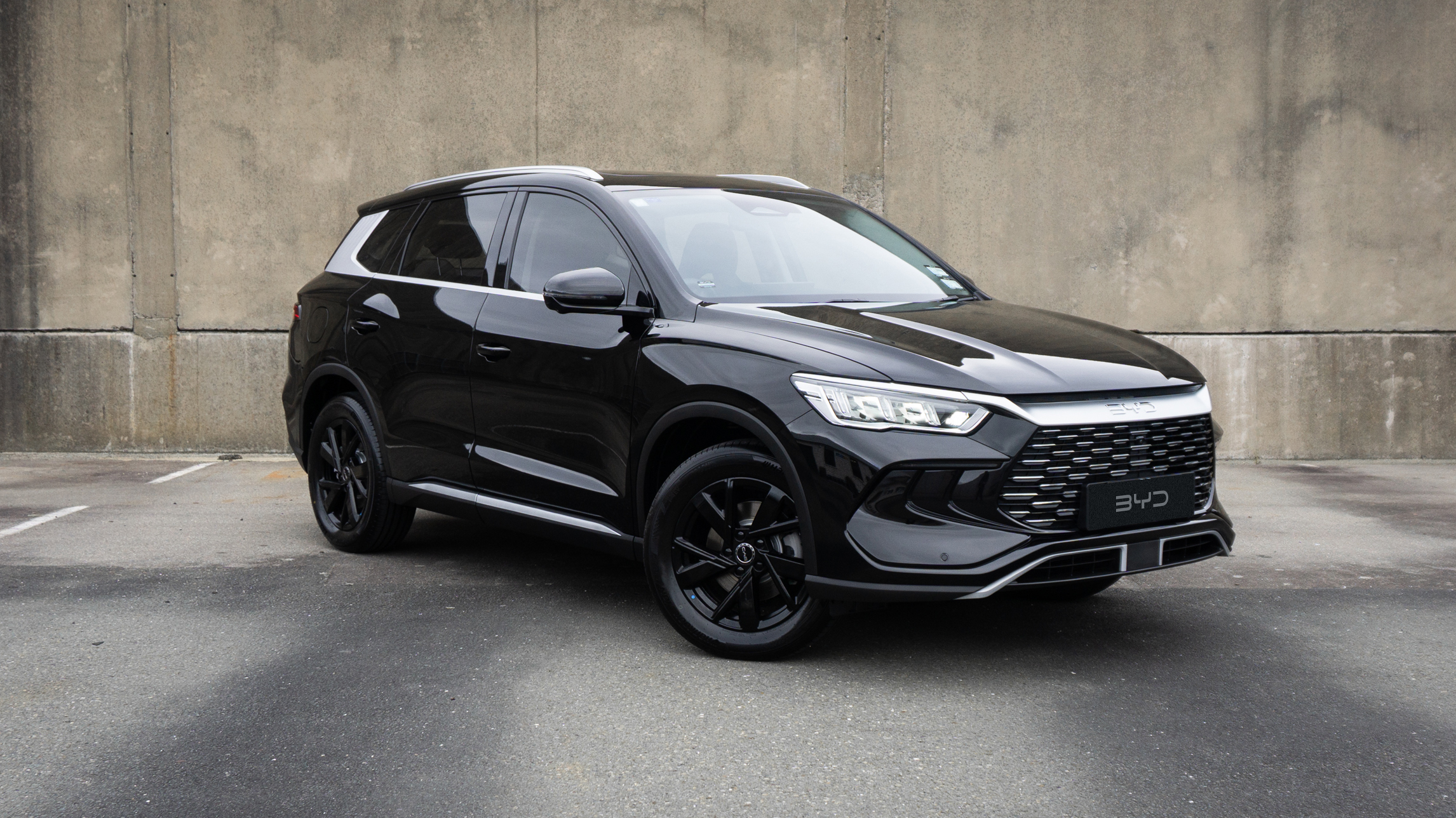
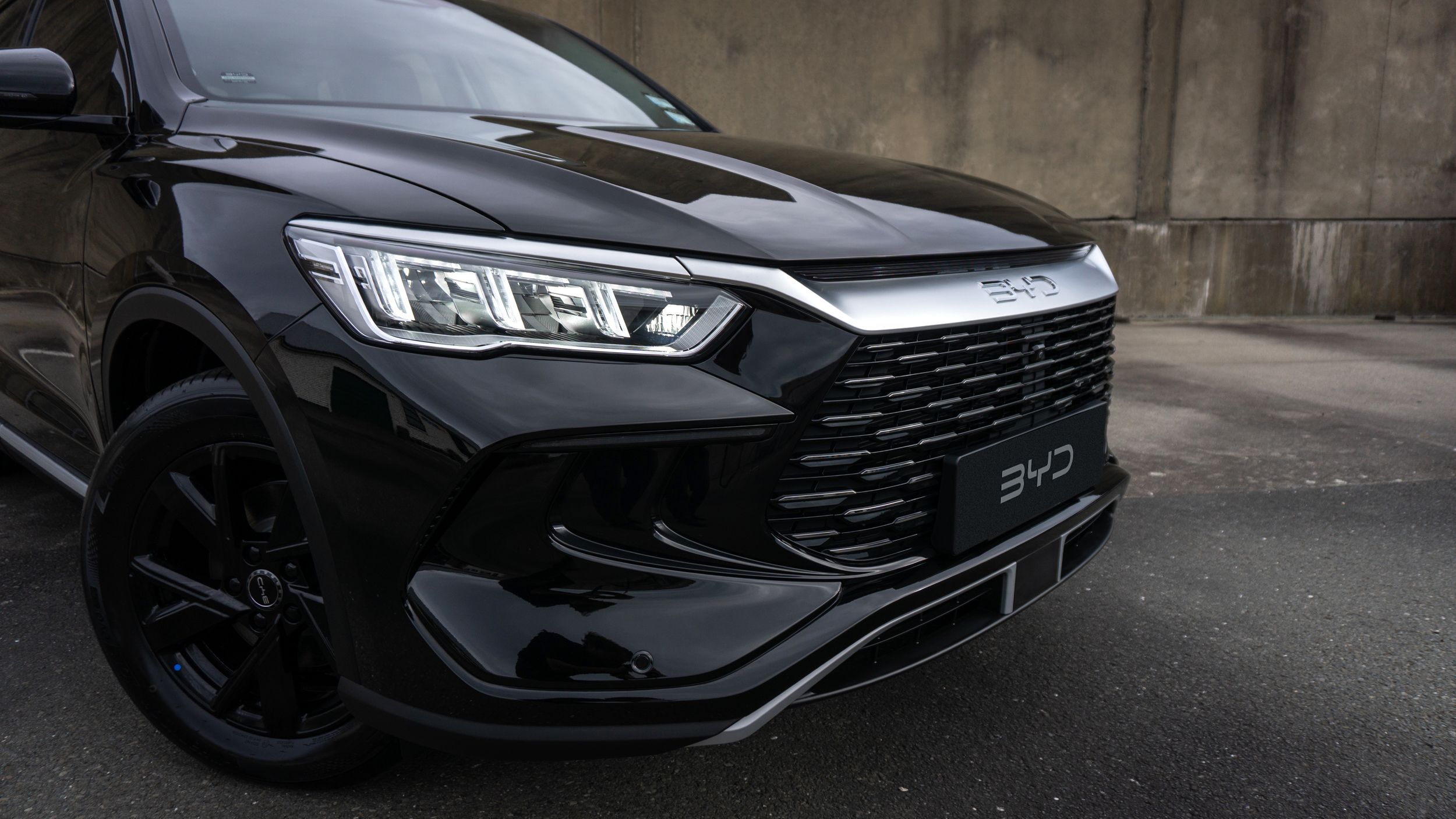
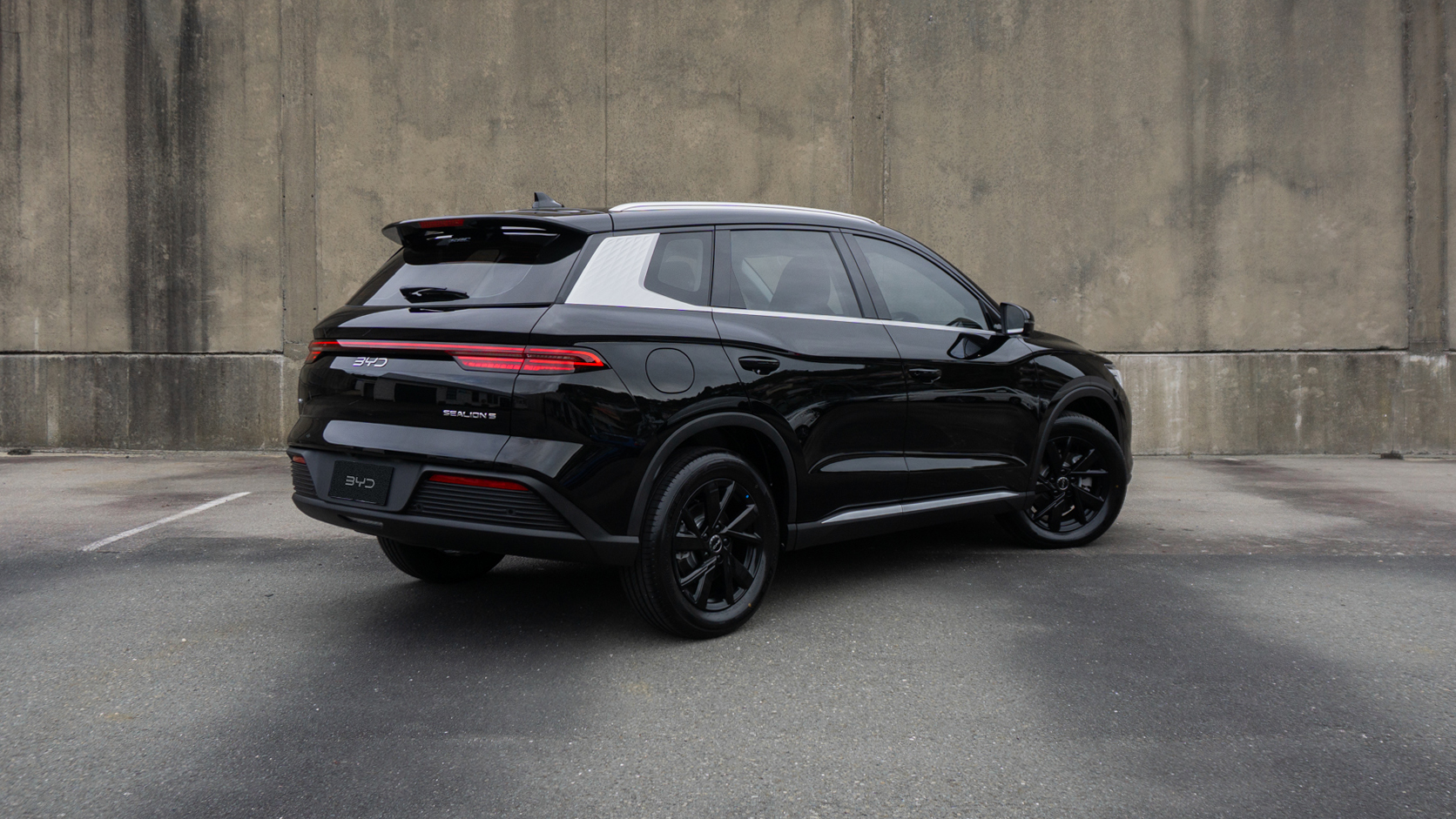
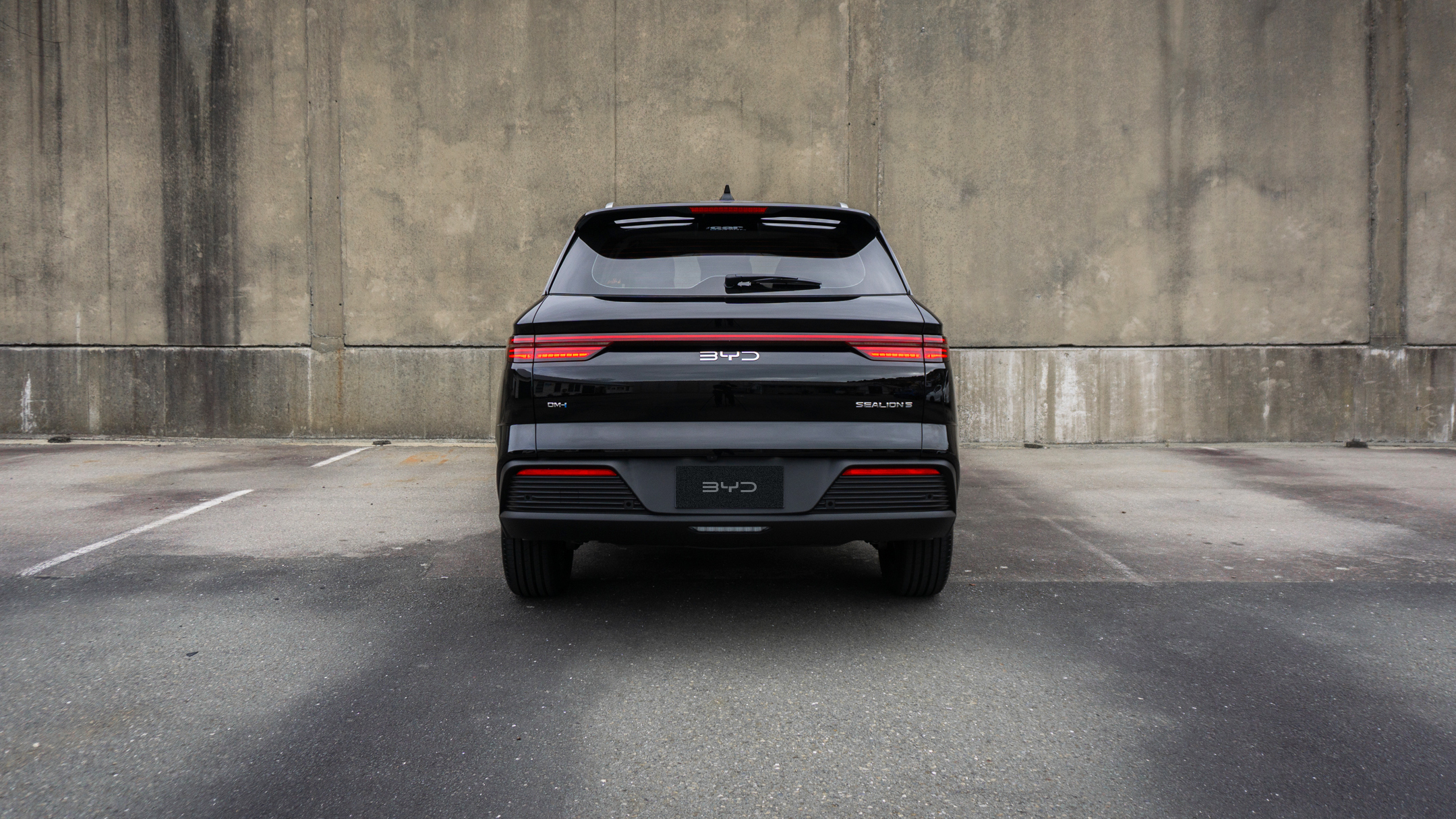
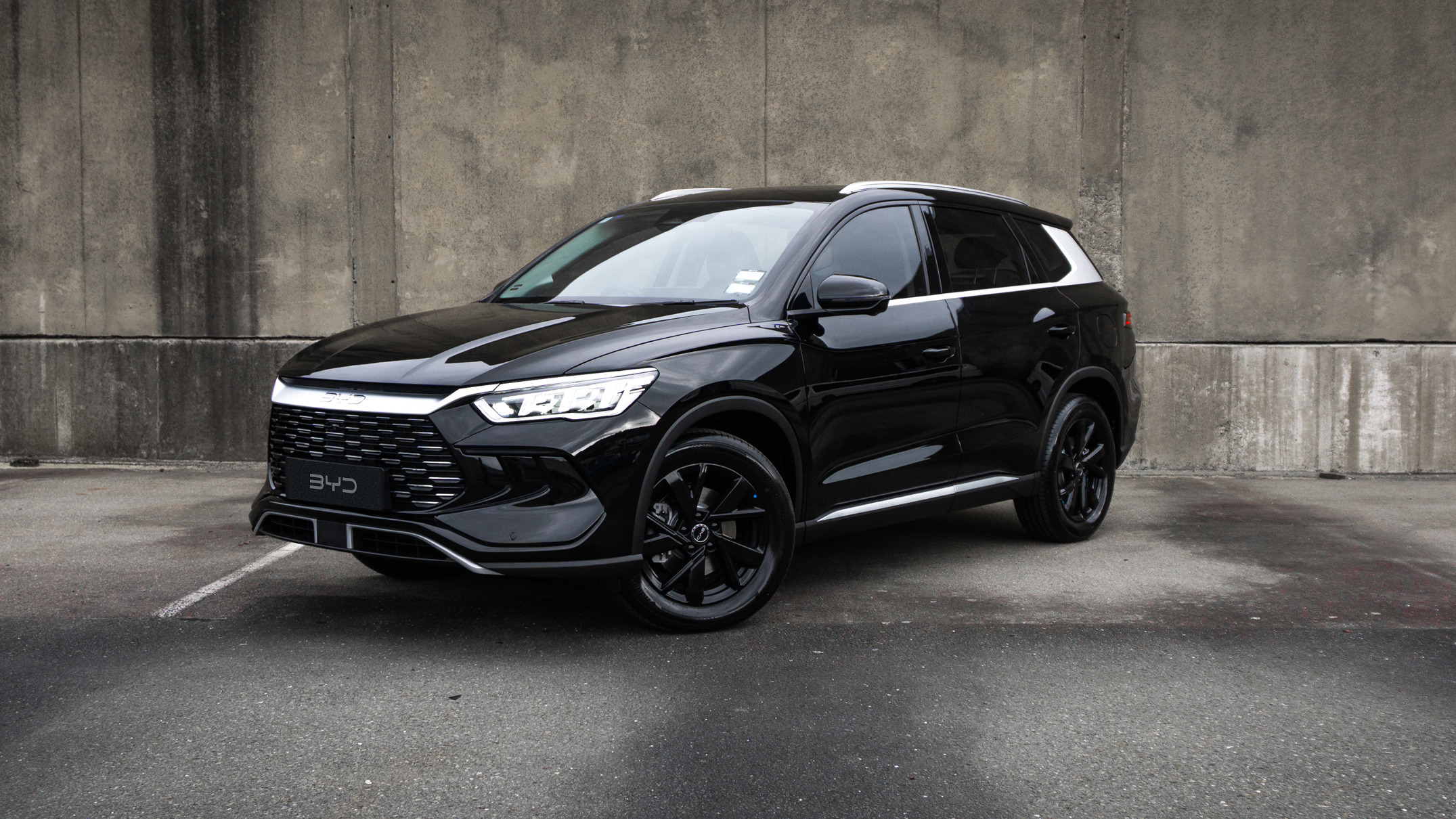
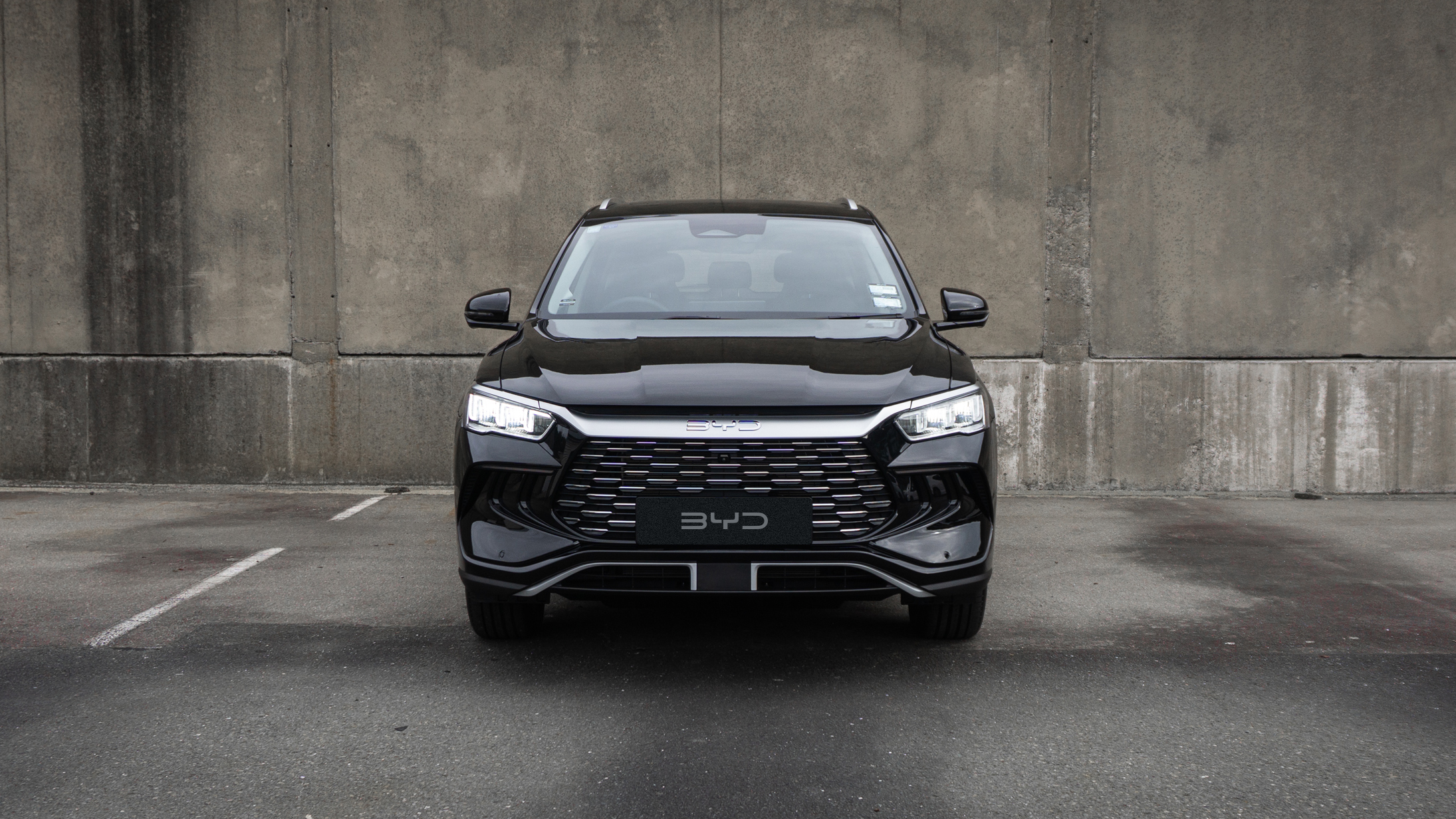
Speaking of timing, BYD nailed it with the arrival of its Sealion 5 plug-in hybrid SUV, which was launched near the end of March. Landing with an electric range of 71km and a combined fuel economy of 4.5L/100km, it would have pushed the 5 up a few spots on Kiwi shopping lists. But while these numbers might be the headline, the Sealion 5 offers a lot more in New Zealand at its impressive price point.
BYD offers the Sealion 5 in two forms. There’s the entry-level Essential at $42,990, and the Premium at $48,990.
Usually when a brand like BYD offers multiple variants in a line-up like this, the main difference lies within the luxuries of the cabin, but this isn’t the case for the Sealion 5. Where the Essential uses a 12.9kWh battery for 71km (NEDC) of electric range, the Premium features an 18.3kWh battery for a 100km (NEDC) range.
Aside from these batteries, the remainder of the powertrain is shared between the two vehicles, with a turbocharged 1.5-litre petrol engine paired with a single electric motor on the front axle. This motor produces 145kW/300Nm, and the 72kW/122Nm engine is used mainly as a range extender once the battery charge drops low.
As you’d expect, the Sealion 5 is exclusively front-wheel drive, but the performance figure differs between the two models. Where the Essential gets a 0-100km/h of 7.7-seconds, the heavier Premium drops this to a modest 8.1-seconds.
For our time with the Sealion 5, we drove the range-topping Premium model.
The interior of the Sealion 5 feels like it should be from something more expensive. During the local launch of this vehicle, BYD launched the larger (and significantly more expensive) Sealion 8 at the same time, which didn’t do the 5 any favours. But now looking at the 5 as a standalone product — it’s a serious offering.
Synthetic leather seats with heating and ventilation for the driver are standard, as is the panoramic sunroof. There’s a 12.8-inch infotainment display with Apple Carplay and Android Auto connectivity, plus a nine-speaker HD sound system.
The impressive nature of the Sealion 5 continues through its tech offerings to the sheer amount of space offered inside. There’s no shortage in the front row, and there’s a generous amount in behind. However, the boot feels somewhat compromised with 463-litres of space with the rear seats in place. This extends to 1410-litres when the seats are folded.
With petrol prices skyrocketing, it’s never been a better time to consider a plug-in hybrid such as this Sealion 5, and the numbers make sense.
When it comes to these plug-in hybrid vehicles, maintaining charge in the battery is imperative, otherwise you’re dragging around a heavy battery that isn’t offering any benefit. And with 100km of range offered, hopefully most of the time you’d be driving on electric power exclusively.
Long trips seem to be what separates the good PHEVs from the average ones, and like the majority of the segment, DC fast charging isn’t an option with the Sealion 5. You’ll need to juice the battery up before heading out. When AC charging, the Sealion 5 isn’t winning any races as the maximum rate is just 6.6kWh.
With a state of charge between 100 and 25 per cent, BYD claims a fuel economy figure of just 1.3L/100km. This figure is immensely impressive, but isn’t representative of most real-world situations. The total combined figure of 4.6L100km is more realistic for long journeys, and even then, that is still impressive.
There’s no doubt this figure will rise as more distance is covered with a depleted battery, but it will be a selling point for a majority of buyers either way.
On the road, the Sealion 5 is exactly what you’d want from a mid-size, family friendly SUV. Significant torque figures seem to be a theme with a lot of these new Chinese plug-in hybrids, and this SUV is a perfect example.
Unlike the larger Sealion 8, which is offered with an all-wheel drive system, the 5 makes do with the front wheels handling the drive. And with the torque flowing easily, it doesn’t take much for the tyres to be overwhelmed when launching and cornering.
It doesn’t ride as well as the larger Sealion 8, but considering the price difference, you wouldn’t expect it to do so. Instead it holds its composure in a different way. It will still handle New Zealand backroads proficiently with a softly sprung suspension system, but it’s noticeably more fussy over different surfaces at low speed.
It’s probably one of the better performers at the cheaper end of the mid-size SUV segment when it comes to on-road handling. The reasonably soft ride doesn’t translate into a lot of body roll, and the steering system feels solid.
To read the full article on Auto Trader NZ, follow this link.