
Wallbox are dedicated to changing the way the world uses energy. Wallbox creates advanced electric vehicle charging and energy management systems that redefine users’ relationship to the grid. They know this is no easy task, but they also know that great innovation doesn’t come from taking the easy route. That’s why they’re excited to be pushing the boundaries of what EV charging can do! And as long as there are walls to inspire them, They’ll keep designing out-of-the-box boxes to overcome them.

Wallbox Pulsar Plus was created to give your electric vehicle a powerful smart charger in an incredibly small size. It is perfect for daily use at home. Its compact dimensions and minimalist design fits any garage and is enhanced by multiple functions found on the Wallbox App and Portal.
Pricing from $1,380 (incl GST, not incl install)

Wallbox’s Pulsar Max is the smart charger specially designed to unlock time, money and energy savings for everyday electric vehicle drivers. Enjoy fast charging, smart scheduling, and easy installation. Use with our new voice control feature via Amazon Alexa & Google Assistant.
Pricing from $1,995 (incl GST, not incl install)
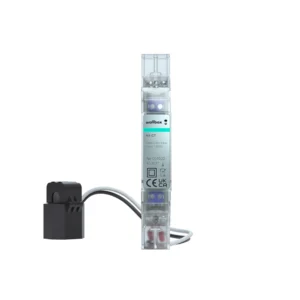
Combining a clamp energy meter with your smart charger unlocks new functionalities in the Wallbox App and Portal such as Solar Charging and Dynamic Load Management. Dynamic Load Management helps avoid blackouts by adjusting the power the charger delivers to your car based on the amount of energy being used in your house. Solar Charging uses the green energy generated from your solar panels or wind turbines at home to charge your electric vehicle in the most efficient and sustainable way.
Pricing from $250 (incl GST, not incl install)
Easy-to-install reducing installation time & cost
Type 1 or Type 2 cable to charge any EV
Control via Bluetooth and WiFi with the Wallbox aApp and portal
Up to 22 kW of fast-charging power
198 x 201 × 99mm + only 1.3kg
Use intuitive scheduling or charge with solar to avoid high energy tariffs
You can charge from a standard three-pin socket, but it is slow and not designed for continuous high-load charging. A dedicated home charger is faster, safer, and more efficient. Most EV owners install one to ensure reliable overnight charging and to avoid putting strain on household wiring.
A standard wall plug usually charges at 1.8–2.4 kW, giving roughly 8–12 km of range per hour. A typical home charger delivers 7.2 kW (single phase) or up to 22 kW (three phase), depending on your home supply. That can equate to 30–120 km of range per hour—often 4–10 times faster.
Costs vary depending on:
• the distance from your switchboard
• whether cabling needs to run through walls or underground
• whether your home requires electrical upgrades
For a detailed quote, please talk to our sales team.
Not always. Many homes can support a charger as-is. However, older switchboards may need new breakers or load management devices to prevent overload. Your installer will perform a site assessment to confirm whether upgrades are required.
Yes. Many smart chargers allow you to schedule charging for off-peak hours or prioritise solar generation. This can materially reduce charging costs. Some models integrate directly with home solar systems for automated solar-only charging.
Yes. Home chargers are built to strict safety standards and include temperature monitoring, overcurrent protection, and automatic shut-off. A certified installer ensures the wiring and switchboard are compliant and safe for continuous use.
Yes. As EV uptake increases, off-street EV charging is becoming a desirable home feature. A modern, professionally installed charger can enhance resale appeal and future-proof your property. You can also remove your charger and bring it with you if you move to a new property.
You must use a licensed electrician. EV chargers require specialised wiring and must meet NZ electrical safety regulations. DIY installation can void the charger warranty and your home insurance.
Yes. Most home chargers are rated for outdoor use and are designed to withstand rain and sun. Installers will ensure the unit is positioned safely, ideally with some shelter for long-term durability.